

Key Takeaways
- Personalized care means shaping routines and plans around each person’s unique history and preferences
- Familiar daily rhythms can reduce confusion and help your loved one feel more at ease
- Social connection and meaningful, stimulating activities are a core part of memory care
- Family involvement plays a genuinely significant role in shaping the care your loved one receives
- Knowing what to look for in a senior living memory care community can help you make a confident decision
Why Personalized Care Matters in Memory Care
When a loved one experiencing memory loss starts to need more support, the search for the right place can feel overwhelming. You want somewhere that feels warm and familiar, not cold and clinical. You want people who actually know your loved one, not just their chart.
Murray Highland Memory Care builds support around that deeply personal, attentive approach.
Personalized care in memory care communities means every decision, from daily routines to meal choices, is shaped around who your loved one truly is.
It’s the difference between a place that manages care and a place that genuinely nurtures a person. That distinction matters more than anything else.
What Personalized Care Really Means in Memory Care
Personalized care starts long before move-in day. It begins with listening. A community team builds a care plan around your loved one’s personal history, preferences, and daily habits so they can respond in ways that feel natural and comforting rather than disruptive.
Staff who take the time to learn each resident’s story, favorite songs, morning routine, and sense of humor can build trust in ways that truly support emotional well-being.
Personal care means caring with compassion and valuing each resident as a whole person, not a set of needs to manage. That kind of connection changes everything about the daily experience.
How a Tailored Daily Routine Supports Your Loved One
The Role of Familiar Rhythms
For someone living with memory loss, consistency is one of the most comforting things a community can offer. When the day follows a predictable rhythm, mornings feel less disorienting and evenings feel more settled. That sense of structure can ease anxiety in a quiet but powerful way.
Personal preferences guide how each day unfolds. Whether your loved one has always been an early riser who enjoys a slow breakfast or someone who lights up around music in the afternoon, those details shape their schedule.
Small things like these make a big difference in how comfortable and at home someone feels.
Social Connection as Part of Daily Life
Staying socially connected isn’t a bonus in memory care. It’s a core part of well-being. When activities are matched to a person’s actual interests, whether that’s gardening, art, or simply sitting and chatting over coffee, engagement feels natural rather than forced.
Social isolation can significantly affect older adults’ health, which is why memory care programs weave moments of meaningful connections into everyday life.
Group moments built around shared experiences can give residents a real sense of belonging. That feeling of being part of something, of being known and welcomed, supports emotional health in ways that go beyond any single activity. It’s a community in the truest sense.
What to Look for in a Senior Living Memory Care Community
Not every memory care community approaches care the same way, and the differences show up in the details.
When you visit, pay attention to how the staff interacts with residents. Do they speak with patience? Do they seem to genuinely enjoy being there? Those small moments reveal a lot about the culture of a place.
Knowing what to look for when choosing memory care can help you feel more prepared and confident going into those visits.
Spaces designed for comfort and safety matter too. A home-like environment with thoughtful design helps your loved one move through their day with more confidence and less stress.
Beyond the physical space, look for open communication with families and a transparent approach to care updates. You should never feel left out of your loved one’s story.
How Family Involvement Shapes the Care Experience
Staying Close After the Move
Moving a loved one into memory care doesn’t mean stepping back from their life. Open visitation means you can stop by, share meals, join activities, and spend time together without rigid restrictions.
That continuity helps keep family bonds strong and gives your loved one something to look forward to.
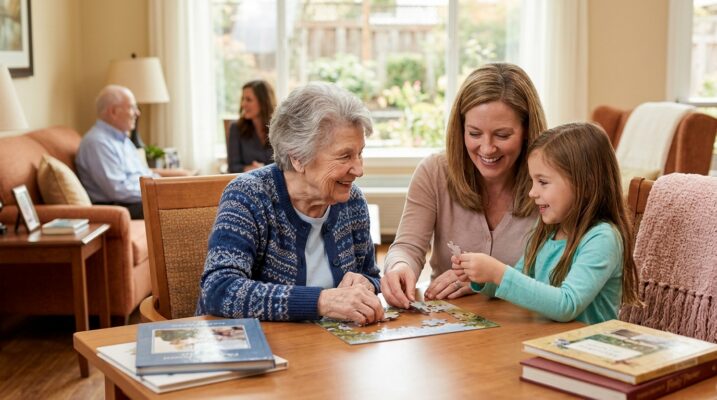
Joining events alongside residents creates shared moments that matter. Your presence alone brings comfort and familiarity, 2 things that are genuinely meaningful for someone navigating memory loss.
A Partnership with the Care Team
You know your loved one better than anyone. The insights you bring about their past, their personality, what soothes them, and what unsettles them directly shape how the care team supports them each day.
That partnership makes personalized care more meaningful and more effective. Learning more about senior caregiver responsibilities and duties can help you understand what that daily support truly looks like.
Regular updates from the care team keep you informed and at ease. When communication is consistent and honest, you can feel confident that your loved one is truly being looked after, not just checked on.
What Personalized Memory Care Looks Like Every Day
Day to day, personalized memory care shows up in real, tangible ways.
Meals are crafted to match both taste preferences and nutritional needs, so your loved one actually enjoys what’s on their plate. Attentive, 24-hour care from a compassionate team means someone is always nearby, ready to help with warmth rather than haste.
Emotional, physical, and mental well-being are all woven into daily life at Murray Highland Memory Care. Every part of the day is designed with your loved one in mind.
When you’re ready to learn more about what personalized senior living looks like up close, schedule a tour to see for yourself.