

Key Takeaways
- Dementia care is a broad term for support provided to someone living with Alzheimer’s disease or another form of dementia.
- Dementia care can be provided by family members, professional caregivers, health care providers, adult day programs, or residential communities.
- Memory care is a senior living option specifically designed around dementia-related cognitive, personal care, and safety needs.
- Daily memory care can include personalized assistance, familiar routines, shared meals, social connection, and secure surroundings.
- Memory care is one form of dementia care, but someone can receive dementia care without living in a memory care community.
Memory Care and Dementia Care Explained
Families searching for support for a loved one living with Alzheimer’s disease or another form of dementia often come across two terms: dementia care and memory care. They’re closely related, and it’s easy to see why they’re sometimes used interchangeably. But they don’t always mean the same thing—one is a senior living lifestyle, and the other is more general.
Dementia care is a broad term for the care and support someone living with dementia receives, whether that happens at home or in a residential setting. Memory care refers specifically to senior living designed around the needs of people with dementia, with a range of services and amenities built to support them. In other words, memory care is one form of dementia care, but dementia care doesn’t necessarily mean living in a memory care community.
What Is Dementia Care?
Dementia care includes the different types of support a person may need as changes in memory, thinking, communication, or daily abilities affect their life. That support can look very different from one person to the next and can change as their needs change.
Care may come from family members, professional in-home caregivers, health care providers, adult day programs, or residential senior care. Depending on the person, dementia care can include help with personal care, meals, medications, household routines, supervision, social connection, and other parts of daily life.
What Is Memory Care?
Memory care is a senior living option specifically designed for people living with Alzheimer’s disease and other forms of dementia. Residents live in a community where caregivers, routines, activities, and the physical environment account for the cognitive and daily changes that can come with dementia.
The setting is what separates memory care from the broader idea of dementia care. Someone receiving support from a spouse, adult child, or professional caregiver at home is receiving dementia care, but they aren’t living in memory care. Memory care brings dementia support into a dedicated residential senior living environment.
What Does Daily Life Look Like in Memory Care?
Daily life in memory care balances necessary support with familiar routines and opportunities to stay involved. Caregivers get to know each resident’s abilities, preferences, and habits so they can provide support that fits the person rather than expecting everyone to follow the same approach.
Personalized Care and Daily Support
Some residents need help getting dressed or managing medications, while others need more assistance with bathing, grooming, mobility, or other everyday tasks. With personalized care plans, caregivers gain a clearer picture of each resident’s needs, preferences, and routines. And as those needs change, the level of support can change with them.
Familiar Routines
A predictable rhythm can bring more structure to meals, personal care, activities, and rest. Familiar routines also give caregivers a chance to learn what works well for each resident throughout the day. There’s still room for flexibility based on someone’s habits, preferences, and needs.
Meals and Dining
Meals are part of the daily routine, but they’re also a chance to sit down and spend time with other residents. Caregivers can provide assistance for those who need extra support while eating or drinking. Shared dining also gives residents another regular opportunity for conversation and connection.
Safety and Support Around the Clock
Memory care communities are designed with dementia-related safety concerns in mind, including wandering and disorientation. With secure surroundings, these communities reduce risks that become increasingly difficult to manage at home while still giving residents space to move through the community.
Dementia Care vs. Memory Care: What Is the Main Difference?
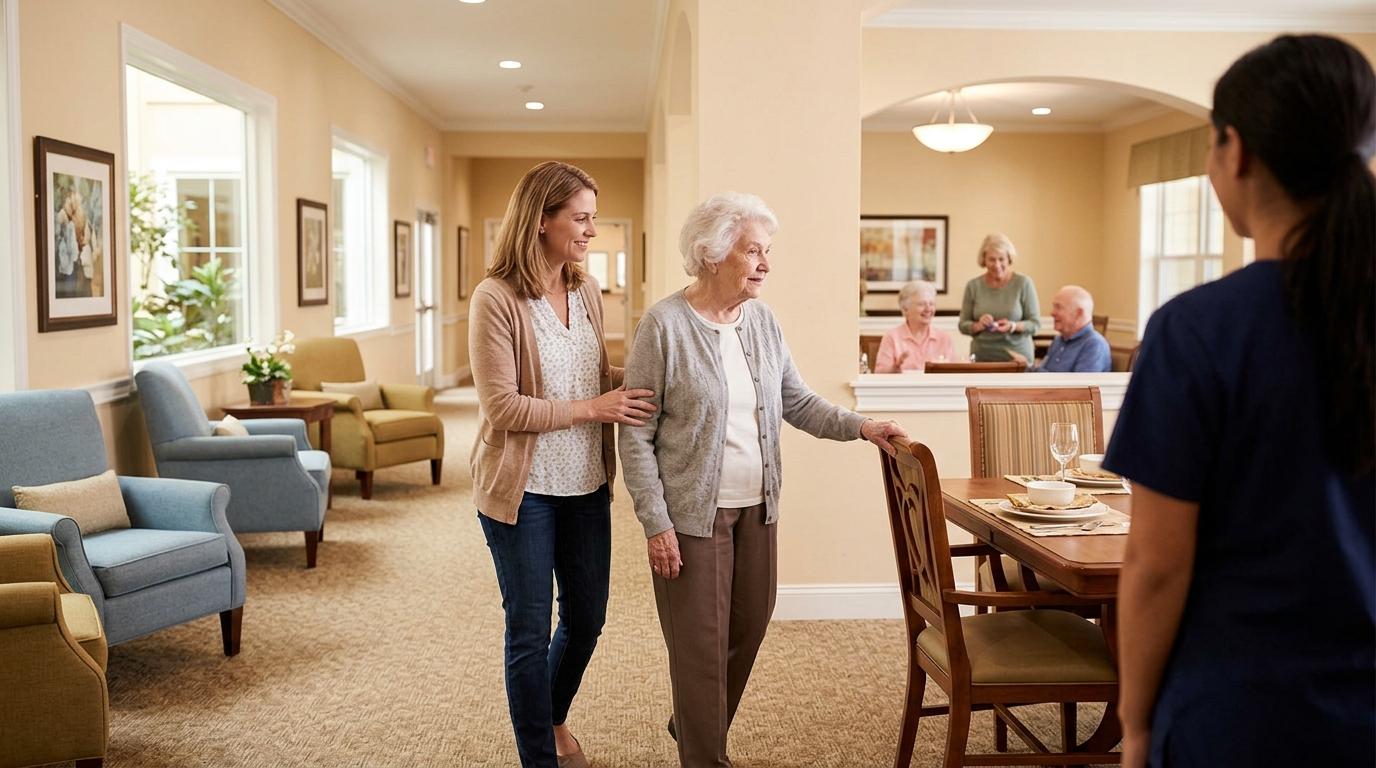
The main difference between dementia care and memory care is scope. Dementia care describes the support someone living with dementia receives. Memory care describes a senior living setting specifically designed to provide that support.
Someone who lives at home and receives help from a spouse, adult child, or in-home caregiver is receiving dementia care. A resident of a memory care community also receives dementia care, but within a residential environment built around dementia-related needs. So the question isn’t simply which type of care is better. It’s which setting can provide the right level of support for the person’s current needs.
Signs Memory Care May Be the Right Next Step
Dementia affects each person differently, so there isn’t one change that determines when memory care is appropriate. Instead, families can look at the bigger picture, including safety, cognitive changes, personal care needs, and how much support the person now requires.
Signs it may be time to consider memory care include:
- Increasing wandering or other safety concerns
- Frequent confusion that interferes with daily routines
- Difficulty managing personal care, meals, or medications
- Increasing isolation or withdrawal from familiar activities
- Greater need for supervision during the day or night
- Care needs that have become difficult to manage safely at home
- Family caregivers struggling to provide the necessary level of ongoing support
These changes don’t automatically mean a move is necessary. But they can signal that it’s time to compare the person’s current care arrangement with the support and environment a memory care community can provide.
Memory Care at Murray Highland
Dementia care can take many forms, from help provided by family members at home to support within a residential community. Memory care provides dementia care in a senior living setting designed around the needs of people living with Alzheimer’s disease and other forms of dementia. The right approach depends on the person’s cognitive changes, safety needs, daily routines, and current support system.
At Murray Highland, we understand that families often have questions as they consider senior living for someone they love. Our team can talk through those questions, learn more about your loved one’s needs, and help you get a clearer picture of what we can offer. Schedule a tour of Murray Highland today to learn more!