12 Common Types of Caregiving Explained for Modern Families
What Are the 12 Types of Caregiving?
The 12 common types of caregiving are family, informal and volunteer, independent, home care agency, personal and home health aide, nursing, respite, adult day, assisted living, memory care, skilled nursing facility, and hospice and palliative care. These types overlap: a family caregiver might arrange adult day care while a nurse handles medical needs.
If your parent has dementia, start with what they need help with each day, how safely they can be left alone, and whether they need medical care. The right plan may combine several kinds of support and change over time.
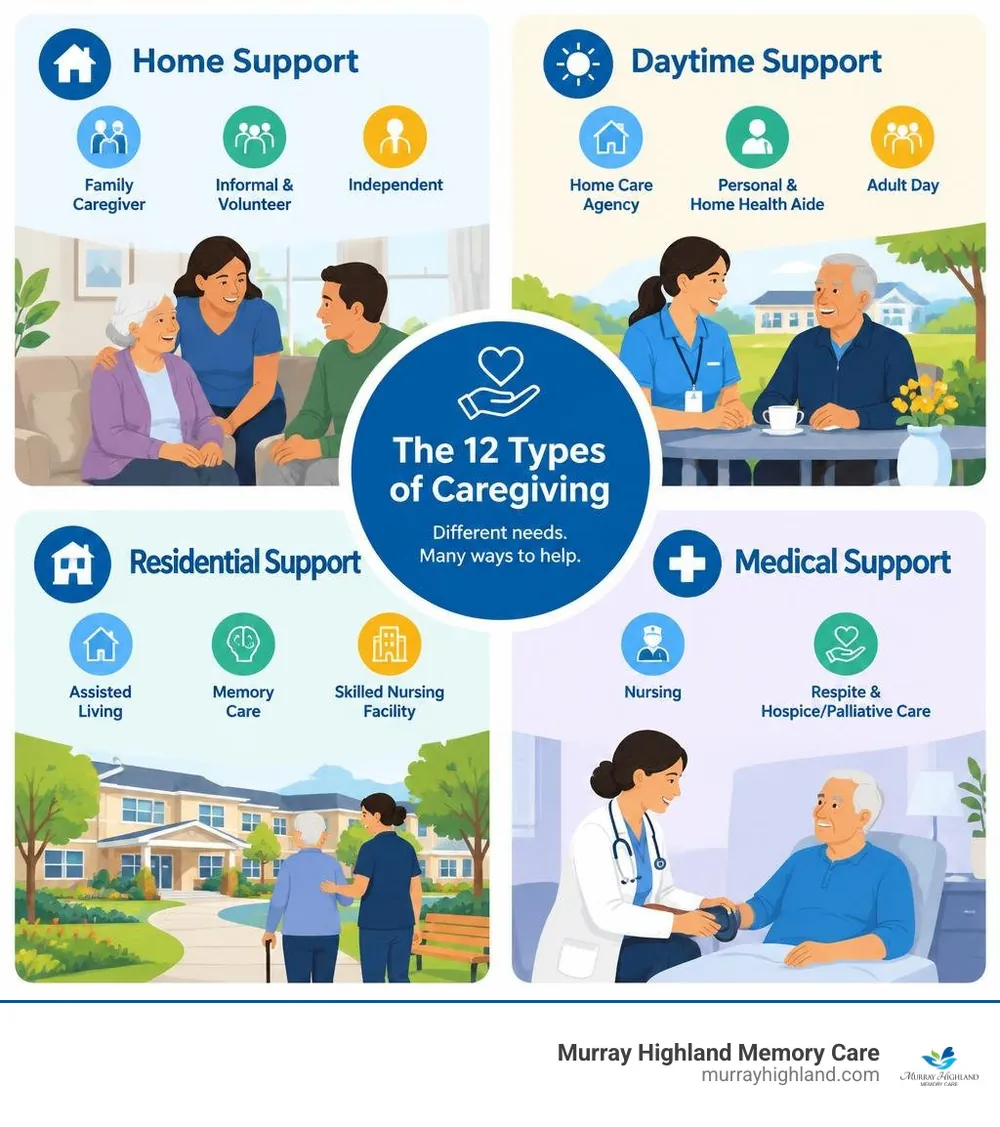
Approximately 90% of seniors wish to age in place in their familiar surroundings. However, balancing independence with safety often demands a network of support. Navigating these options can feel overwhelming, especially when balancing career demands, personal well-being, and family responsibilities. Understanding these options begins with recognizing how caregiving types span informal family assistance, specialized in-home help, and dedicated residential communities.
The 12 Types of Caregiving: Roles, Settings, and Responsibilities
Caregiving is not a one-size-fits-all model. It exists along a broad continuum ranging from informal emotional support to around-the-clock clinical care. Families often consult resources like a senior care journey guide to identify where their loved one fits along this spectrum. By understanding the distinct roles, settings, and responsibilities involved, you can assemble a care plan tailored to your loved one’s evolving needs.
1. Family Caregivers
Family caregivers form the backbone of long-term care. An estimated 53 million people in the United States serve as caregivers for loved ones, with roughly 21% of care providers nationwide providing unpaid care. Furthermore, 61% of the 48 million family caregivers in the United States juggle their caregiving responsibilities alongside part-time or full-time jobs.
These dedicated individuals often belong to the “sandwich generation,” simultaneously raising children while caring for aging parents. Research on family caregivers indicates that unpaid care represents hundreds of billions of dollars in economic value annually. Yet, this dedication carries personal costs: almost 70% of caregivers have a difficult time meeting essential household expenses, and 84% report that the impact on their mental health is their most difficult challenge.
2. Informal and Volunteer Caregivers
Informal and volunteer caregivers offer crucial non-medical support driven by community, faith-based networks, and neighborhood connections. In the UK alone, informal care is valued at £445 million per day—demonstrating the massive global scale of community goodwill.
Volunteer caregivers typically help with:
- Delivering prepared meals and nutritious groceries
- Providing friendly social visits to reduce isolation
- Assisting with local transportation to appointments
- Light gardening and basic household upkeep
These compassionate volunteers often reduce emotional resistance from seniors who might feel hesitant about formal assistance, offering authentic companionship that feels like neighborly friendship rather than paid supervision.
3. Independent and Private-Duty Caregivers
Independent caregivers are private professionals hired directly by families without an intermediary agency. This direct arrangement allows families complete control over hiring, personalized scheduling, and customized hourly rates.
Because private-duty caregivers work directly for the family, they can foster deep, consistent one-on-one relationships. However, this model requires the family to manage employer duties, including background checks, payroll taxes, liability coverage, and arranging backup care when the primary caregiver is sick or unavailable.
4. Home Care Agency Caregivers
Home care agencies provide screened, trained, and insured caregivers directly to a client’s home. The primary benefit of an agency model is seamless reliability: if your assigned caregiver falls ill, the agency coordinates a qualified replacement without disrupting your loved one’s routine.
Agency caregivers assist with household tasks, companionship, medication reminders, and general mobility. Families looking for structured in-home support often turn to established care services to ensure their loved ones receive dependable, professionally supervised daily assistance.
5. Personal Care Aides (PCAs) and Home Health Aides (HHAs)
Personal Care Aides (PCAs) and Home Health Aides (HHAs) deliver vital one-on-one daily support. Employment of home health and personal care aides is projected to grow 17% from 2024 to 2034, reflecting the rapidly rising demand for dedicated in-home hands-on care.
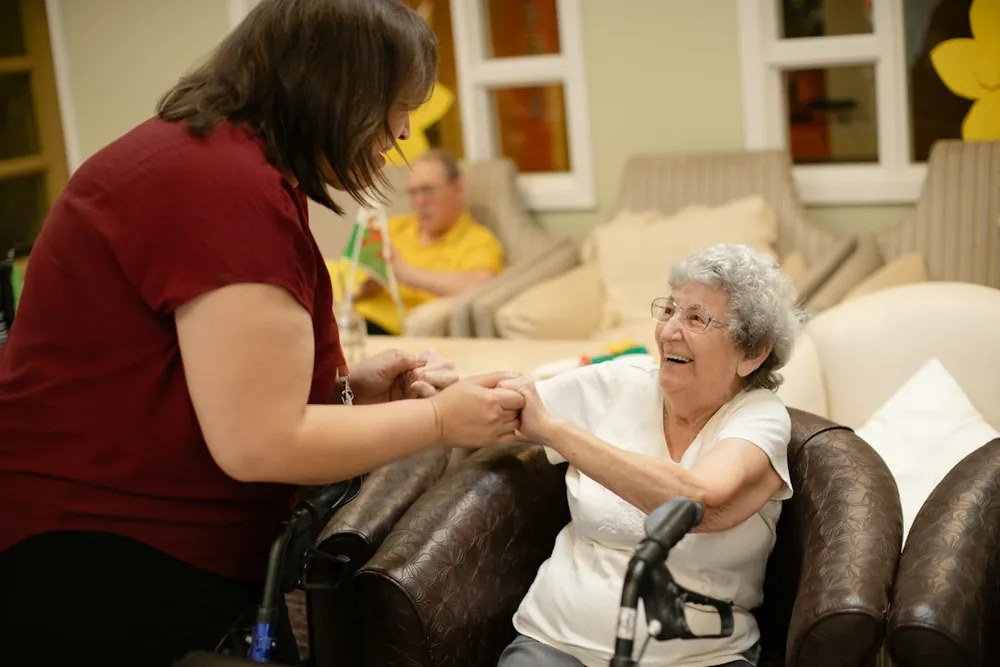
While both roles focus on daily living tasks, their training and medical scope differ:
- Personal Care Aides (PCAs): Focus primarily on non-medical support, including assistance with bathing, dressing, meal preparation, grooming, and light housekeeping.
- Home Health Aides (HHAs): Possess specialized clinical training to check vital signs, assist with basic therapeutic exercises, and manage health equipment under the supervision of a registered nurse.
6. Licensed Nurses and Skilled Medical Caregivers
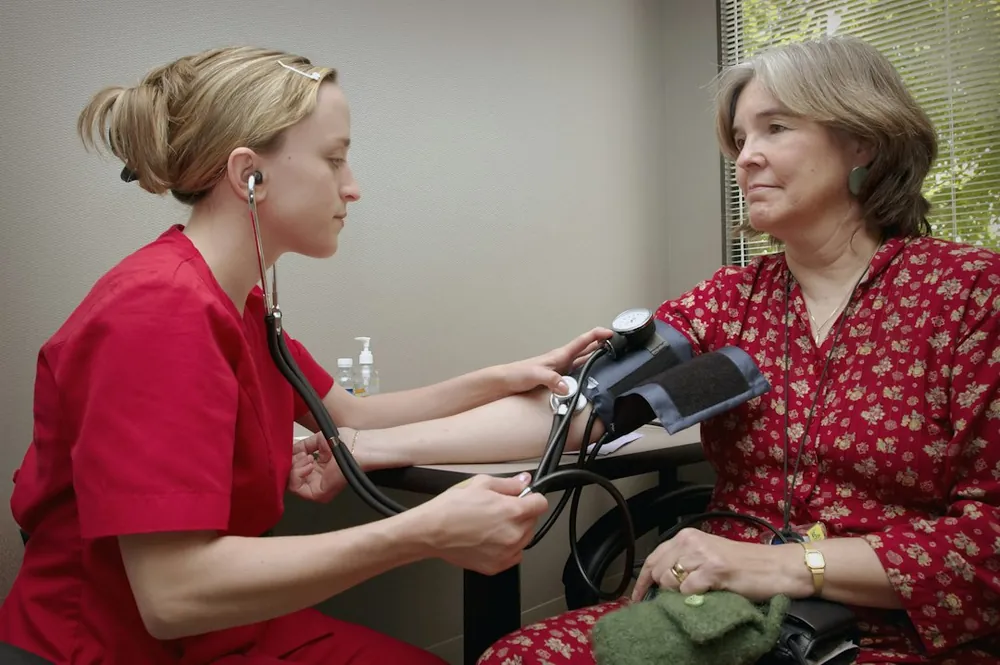
When care requirements involve medical procedures, licensed nurses step in. Registered Nurses (RNs) and Licensed Practical Nurses (LPNs) provide complex clinical care within the home or residential settings.
Their essential responsibilities include:
- Administering injections and managing complex intravenous (IV) therapy
- Clinical wound care and post-operative dressing changes
- Monitoring dynamic chronic conditions like diabetes or heart failure
- Conducting regular clinical assessments and updating physician treatment plans
7. Respite Caregivers
Caregiving is emotionally and physically demanding; 61% of caregivers feel they need more stress relief to cope with their duties. Respite caregivers provide temporary, short-term relief to primary family caregivers, stepping in for an afternoon, a weekend, or several weeks.
Utilizing resources such as a digital toolkit for caregivers helps families structure respite transitions effectively. Stepping away for personal rest is not selfish—it is an essential practice that protects caregiver mental health and prevents long-term burnout.
8. Adult Day Care Facility Caregivers
Adult day care centers provide structured daytime care, cognitive enrichment, and socialization outside the home. Caregivers at these facilities supervise recreational group activities, organize light physical exercise, serve nutritious meals, and assist with personal hygiene.
This caregiving setting offers dual benefits: it provides seniors with vital peer interaction and structured mental stimulation while giving working family members dependable daytime coverage.
9. Assisted Living Facility Caregivers
Assisted living caregivers support seniors living in private or semi-private apartments within a residential community. This care type strikes an ideal balance for older adults who want to maintain an active, independent lifestyle but need daily support with meals, housekeeping, laundry, and medication management.
Caregivers are available around the clock to help with activities of daily living, allowing seniors to enjoy community amenities, social outings, and shared dining without the burdens of home maintenance.
10. Specialized Memory Care in the 12 Types of Caregiving
Seniors experiencing progressive cognitive conditions require caregivers with advanced neurological training. Navigating the various types of dementia requires specialized approaches to communication, redirection, and behavioral support.
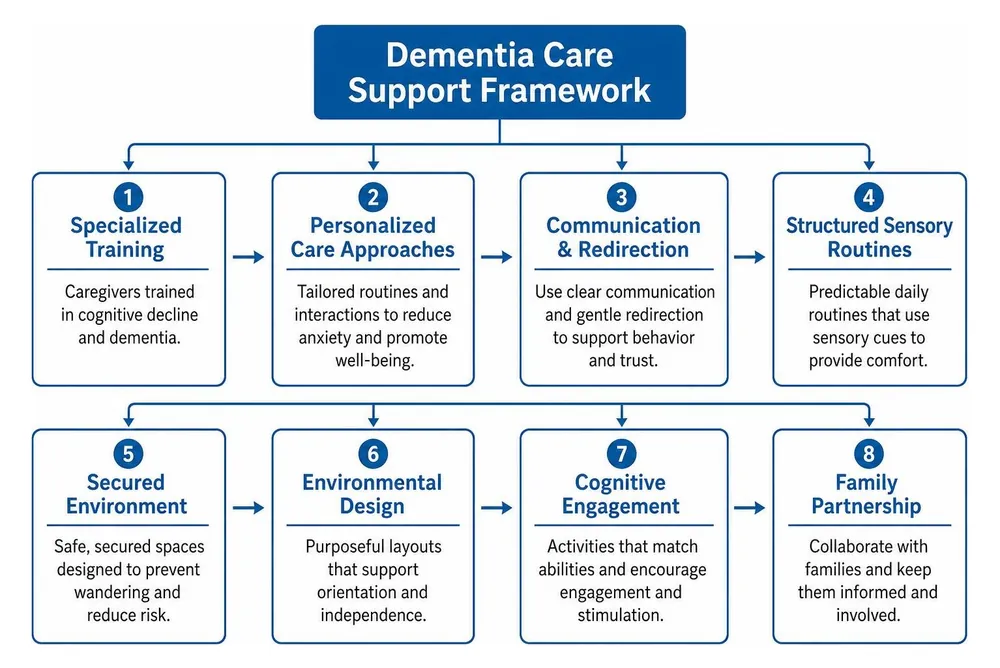
In dedicated environments, staff use personalized care approaches in memory care to reduce anxiety and promote emotional well-being. Understanding the distinct differences between memory care and dementia care ensures families choose settings with purposeful safety features, structured sensory routines, and secured architectural designs that prevent wandering.
11. Skilled Nursing Facility (Nursing Home) Caregivers
Skilled nursing facility caregivers provide 24-hour medical supervision for individuals with severe chronic illnesses, advanced physical disabilities, or those requiring intensive post-hospital rehabilitation.
These interdisciplinary teams include licensed practical nurses, certified nursing assistants, and rehabilitation specialists working under physician oversight. They handle total daily physical care, therapeutic rehabilitation, wound management, and clinical monitoring.
12. Hospice and Palliative Caregivers
Hospice and palliative caregivers deliver specialized comfort care focused on pain relief, symptom reduction, and emotional support for individuals with serious, life-limiting illnesses. Palliative care can begin at diagnosis alongside curative treatments, whereas hospice care focuses entirely on comfort and quality of life during the final stages of life.
These interdisciplinary caregivers manage physical symptoms while offering holistic spiritual and psychosocial comfort to both the individual and their family members.
Categorizing Care: Medical vs. Non-Medical and Time Commitments
Making sense of different care arrangements is easier when you classify them by medical scope and required time commitment.
| Care Level | Primary Tasks & Scope | Typical Roles Involved | Common Setting |
|---|---|---|---|
| Non-Medical Care | ADLs (bathing, dressing), IADLs (cooking, cleaning), companionship, errands | Family, Volunteers, PCAs, Companion Aides | Private Home, Adult Day, Assisted Living |
| Skilled Medical Care | Injections, IV therapy, clinical wound dressing, vital assessments, physical therapy | Registered Nurses, LPNs, Physical Therapists | Home Health, Skilled Nursing, Hospice |
| Specialized Cognitive Care | Behavioral de-escalation, memory redirection, structured sensory routines | Memory Care Specialists, Dementia-Trained HHAs | Dedicated Memory Care Communities |
Caregiver responsibilities are further outlined through national initiatives and legislation like the CARE Act, detailed in educational overviews of caregiver roles and support programs, which require hospitals to record, inform, and instruct family caregivers on post-discharge medical tasks.
Intermittent, Part-Time, and Full-Time Commitments
- Intermittent Care: Involves occasional assistance, such as weekly grocery shopping, transportation to medical appointments, or bi-weekly check-ins.
- Part-Time Care: Involves regular, scheduled shifts (e.g., 10 to 20 hours per week) covering specific needs like morning bathing routines or evening meal preparation.
- Full-Time Care: Involves around-the-clock or comprehensive daytime coverage (40+ hours per week), often utilized for bed-bound individuals or those in advanced stages of cognitive decline.
Rehabilitation Therapists and Medical Social Workers
Comprehensive care often involves specialized allied healthcare professionals:
- Physical Therapists (PTs): Focus on restoring physical mobility, building strength, preventing fall risks, and teaching safe transfer techniques.
- Occupational Therapists (OTs): Help individuals maintain independence by adapting daily tasks, introducing adaptive eating utensils, and recommending home safety modifications.
- Speech-Language Pathologists (SLPs): Treat swallowing disorders (dysphagia) and assist individuals recovering from strokes or neurological conditions with cognitive-communication challenges.
- Medical Social Workers: Serve as invaluable navigators, helping families coordinate community resources, understand insurance options, and manage complex transitions between care settings.
How to Evaluate and Choose the Right Caregiver for Your Family
Selecting the right care provider requires a balance of evaluating clinical capabilities, financial practicalities, and emotional compatibility. At Murray Highland Memory Care, we believe that high-quality assistance begins with lessons on care with compassion, ensuring every resident is treated with dignity, warmth, and individualized attention.
Evaluating Cost and Commitment
When structuring your budget across caregiving models, evaluate the full scope of financial options:
- Private Pay & Savings: Many non-medical companion services and residential room-and-board fees rely on out-of-pocket funding or specialized savings programs.
- Long-Term Care Insurance: Depending on policy terms, coverage often reimburses costs for licensed in-home aides, adult day programs, assisted living, and memory care.
- Medicare & Medicaid: Medicare covers intermittent skilled nursing and rehabilitation therapies for homebound seniors but does not cover ongoing non-medical personal care. Medicaid waivers can help offset home- and community-based services for qualifying individuals.
Agency Caregivers vs. Independent Caregivers
Choosing between hiring through an agency or directly employing an independent caregiver involves important tradeoffs:
- Agency Caregivers: The agency handles background screening, payroll taxes, worker’s compensation, liability insurance, and backup staffing. While hourly rates may be higher, it eliminates employer liability for the family.
- Independent Caregivers: Typically offer lower hourly rates and direct personal communication. However, the family assumes full legal responsibility as an employer, including tax filings, verifying credentials, and managing unexpected scheduling gaps.
Recognizing When Advanced Residential Care Is Necessary
While aging in place is often the initial goal, progressive health conditions can eventually exceed what in-home caregivers can safely manage. Over 20% of caregivers report disagreements with family members regarding their loved one’s care needs, frequently surrounding the transition to dedicated residential environments.
Key indicators that it may be time to transition include:
- Frequent falls, safety incidents, or unexplained wandering
- Primary caregiver exhaustion, severe chronic stress, or health deterioration
- Identifying critical signs that your loved one may need memory care
- Escalating nutritional neglect, medication errors, or social withdrawal
Knowing how to choose the right memory care community helps you select an environment that offers personalized care, secured surroundings, and specialized enrichment.
Frequently Asked Questions About Caregiving Options
What is the primary difference between a home health aide and a personal care aide?
The primary distinction lies in clinical training and regulatory certification. A Personal Care Aide (PCA) delivers non-medical assistance focusing on personal hygiene, dressing, meal preparation, and light housekeeping. A Home Health Aide (HHA) undergoes formal state-regulated training to provide these everyday care tasks alongside basic medical support—such as taking vital signs, assisting with prescribed home therapy exercises, and administering oral medications under the clinical supervision of a registered nurse.
How can family caregivers balance full-time employment with caregiving duties?
Balancing professional work with caregiving requires proactive communication and outside support:
- Leverage Workplace Policies: Inquire about flexible working hours, remote options, and protections under the Family and Medical Leave Act (FMLA).
- Utilize Adult Day Services: Enroll your loved one in daytime care programs to ensure safe supervision during standard working hours.
- Incorporate Respite Support: Schedule visiting aides or adult day centers to provide regular breaks, preventing chronic fatigue and workplace burnout.
- Delegate Responsibilities: Hold family meetings to distribute administrative, financial, and hands-on tasks across multiple family members.
What qualifications should families check when hiring an in-home caregiver?
When screening candidates, verify the following credentials:
- Certifications: Confirm active licensing, such as Certified Nursing Assistant (CNA) or Home Health Aide (HHA) certificates.
- Safety Training: Ensure current certifications in CPR and First Aid.
- Background Checks: Conduct comprehensive state and national criminal background screenings, driving record checks, and drug tests.
- Specialized Training: Confirm verifiable experience in dementia redirection, fall prevention, and mobility transfer techniques.
- Reference Verification: Contact at least two professional references from previous caregiving supervisors or families.
Conclusion: Navigating Care with Confidence
Finding the right care arrangement is an ongoing journey rather than a one-time choice. As your loved one’s physical and cognitive capabilities evolve, adjusting your care plan ensures they continue to receive dignified, safe, and attentive support. Understanding how to navigate the role of a senior caregiver allows families to build a sustainable support network while protecting their own health and well-being.
At Murray Highland Memory Care, we provide boutique, family-owned residential memory care for seniors with Alzheimer’s and other dementias in Beaverton, Oregon. Our warm, home-like environment offers personalized around-the-clock care, chef-prepared meals, and a small-scale setting designed to make every resident feel cherished and secure. Reach out to our compassionate team today to discover how our family can support yours.