A Practical Guide to Essential Caregiver Duties and Daily Roles
What Are a Caregiver’s Daily Duties?
A caregiver helps someone stay safe and manage daily life. Common duties include bathing and dressing, preparing meals, helping with movement, keeping living spaces tidy, offering companionship, and noticing changes in health or behavior. The exact tasks depend on the person’s needs, the care setting, and what the caregiver is trained and allowed to do.
For a parent with dementia, the day may also include a steady routine, gentle reminders, and close attention to safety. Knowing which duties belong to a caregiver, and which need a nurse or other clinician, helps families make a safer care plan.
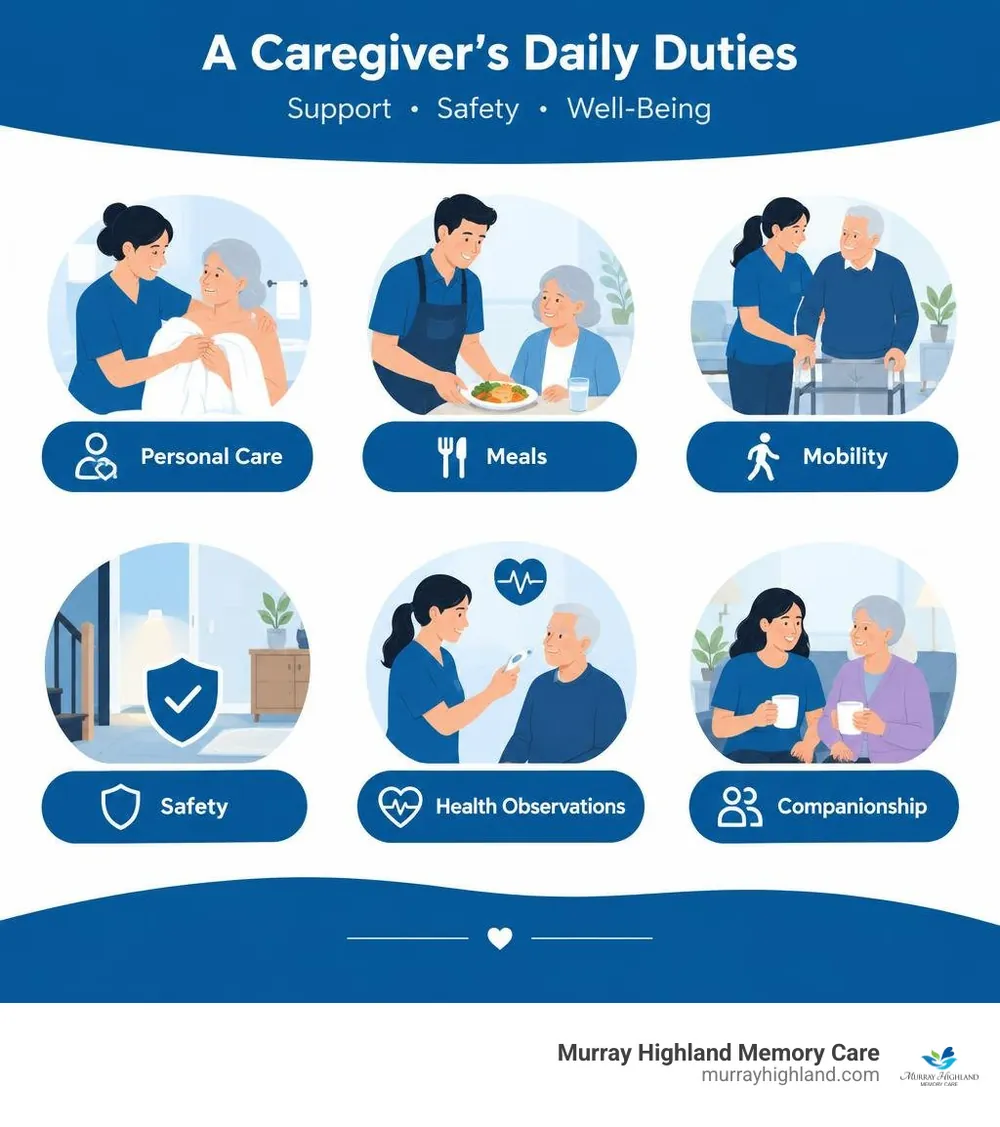
As of October 2026, the caregiving landscape is expanding rapidly. According to the Bureau of Labor Statistics, home health and personal care aides represent the largest occupation in the United States, employing over 4.3 million professionals. With an expected employment growth rate of 17 percent from 2024 to 2034, roughly 765,800 job openings emerge each year to meet soaring demand. Meanwhile, data from AARP and the National Alliance for Caregiving highlights that nearly 1 in 5 Americans provide unpaid care to an adult or child with special needs, with 89 percent caring for a family member.
Whether you are stepping into a professional role or supporting a loved one, understanding daily expectations creates a solid foundation for health, comfort, and peace of mind.
Comprehensive Caregivers Duties Description and Core Responsibilities
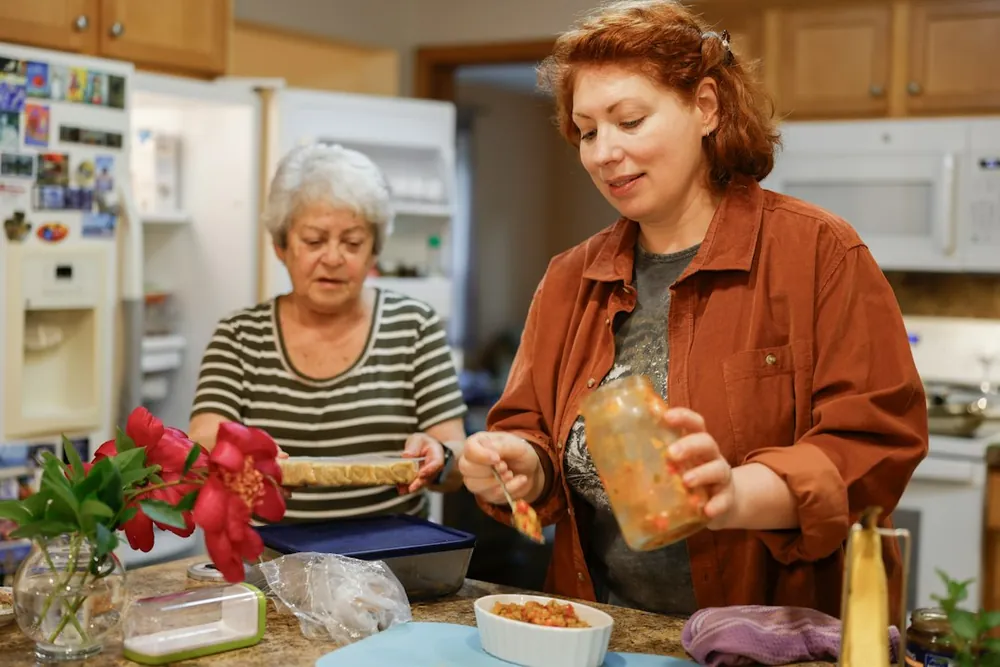
A clear description of caregivers’ duties outlines the daily balance between essential physical assistance, household management, and empathetic companionship. Professional care is rooted in structured support that maintains personal dignity while keeping clients safe. Organizations such as the American Caregiver Association emphasize that caregiving blends hands-on assistance with active safety monitoring. In our boutique community, we integrate these elements through comprehensive care services tailored to each resident’s personal background and physical capabilities.
Core Personal Care and Activities of Daily Living (ADLs)
Activities of Daily Living (ADLs) are the fundamental self-care tasks required for independent living. When physical limitations or cognitive changes make these tasks difficult, caregivers step in to provide respectful, hands-on assistance:
- Bathing and Showering: Assisting with safe entry and exit from tubs or walk-in showers, adjusting water temperature, washing sensitive skin, and helping the individual wash hard-to-reach areas while preserving modesty.
- Grooming and Personal Hygiene: Supporting daily oral hygiene (brushing teeth or denture cleaning), combing and washing hair, shaving safely with electric razors, and clipping fingernails (when permitted by state regulations).
- Dressing: Helping select clean, weather-appropriate, and comfortable clothing. Caregivers assist with buttons, zippers, socks, and adaptive footwear while encouraging individuals to do as much as they safely can.
- Toileting and Incontinence Management: Prompting regular bathroom visits, assisting with clothing adjustments, providing thorough perineal cleansing to prevent skin breakdown, and changing protective briefs or liners promptly.
- Mobility Support and Safe Transfers: Utilizing proper body mechanics, transfer boards, or a gait belt to assist individuals rising from chairs, moving from bed to wheelchair, or walking safely across living spaces.
Instrumental Activities of Daily Living (IADLs) and Household Support
Beyond basic personal care, Instrumental Activities of Daily Living (IADLs) ensure that an individual’s living environment is safe, clean, and organized:
- Meal Preparation and Nutrition: Preparing balanced, appetizing meals tailored to medical requirements (such as diabetic-friendly, low-sodium, or renal diets). For those with dysphagia or swallowing difficulties, this includes mechanical soft preparation, pureeing, or thickening liquids.
- Light Housekeeping and Sanitation: Washing dishes, wiping kitchen surfaces, sanitizing bathroom fixtures, emptying trash, and keeping high-traffic walkways clear of clutter and tripping hazards.
- Laundry and Linens: Washing, drying, folding, and putting away clothing and bed linens, with frequent sheet changes for individuals managing incontinence.
- Errands and Grocery Shopping: Purchasing fresh groceries, picking up pharmacy prescriptions, and restocking essential personal supplies.
- Transportation and Scheduling: Driving or escorting individuals to doctor appointments, physical therapy, social outings, or family gatherings.
Health Monitoring, Medication Reminders, and Companionship
Caregivers serve as crucial observers, spending extended hours with individuals and noticing subtle health changes before they develop into medical emergencies:
- Vital Signs and Symptom Observation: Taking blood pressure, pulse, temperature, or oxygen saturation when trained and delegated, while observing skin color, swelling, breathing effort, and energy levels.
- Medication Reminders: Prompting clients to take pre-packaged medications at scheduled times and documenting that doses were taken.
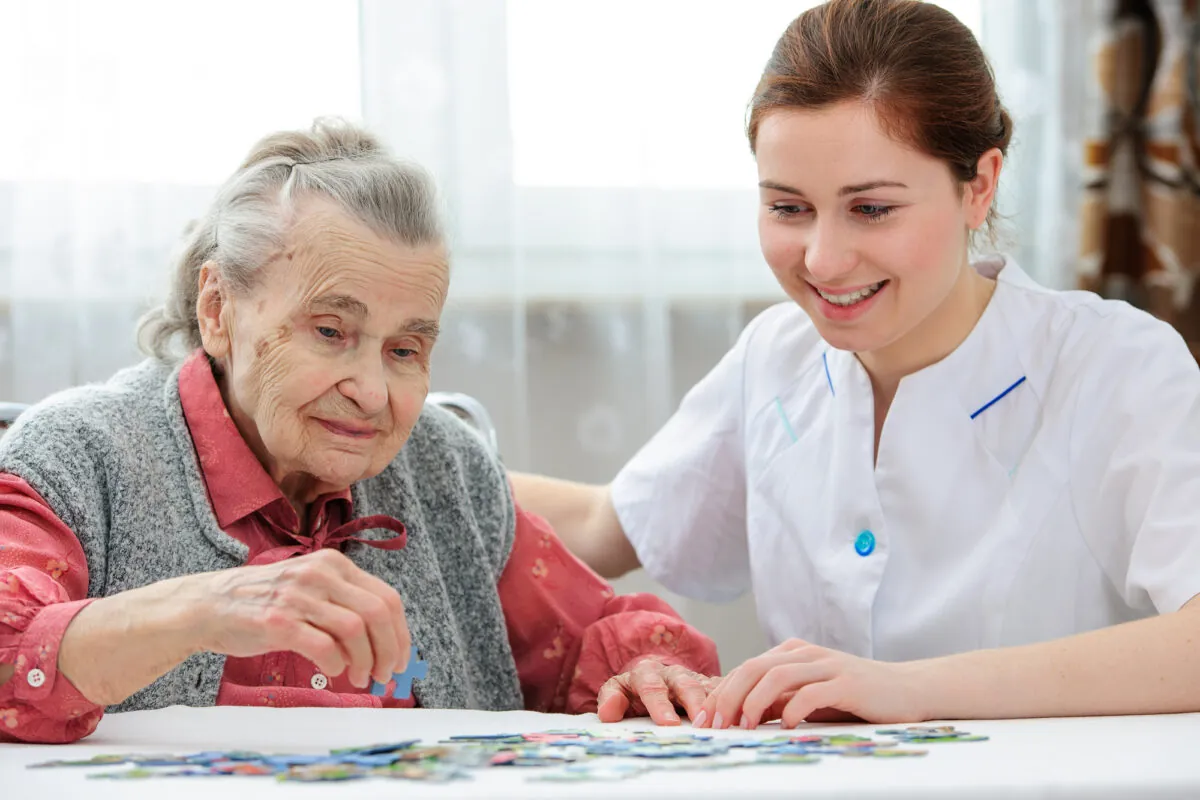
- Cognitive and Emotional Engagement: Providing stimulating conversations, reading books aloud, playing board games, listening to favorite music, and engaging in reminiscence.
- Active Listening and Validation: Offering steady emotional support, reducing isolation, and responding with patience and validation when an individual expresses sadness, frustration, or fear.
Comparing Caregiver Roles, Settings, and Shift Expectations
Caregiving roles span a spectrum of training, state certifications, and clinical scopes of practice. Understanding these distinctions helps families and facilities choose the right level of support. Our philosophy embraces lessons on care with compassion, recognizing that every caregiver level requires both technical competence and human empathy.
| Role Designation | Common Credentials | Clinical Oversight | Core Scope of Practice |
|---|---|---|---|
| Companion Caregiver | High school diploma / GED, CPR/First Aid | Non-clinical supervisor / Agency manager | Companionship, meal prep, light housekeeping, errands, standby safety supervision. |
| Personal Care Aide (PCA) | State-specific training certificate (40–75 hours) | Agency care coordinator or supervisor | All companion duties plus hands-on ADLs: bathing, dressing, toileting, and basic transfer assistance. |
| Home Health Aide (HHA) | State/Federal HHA certification (75+ hours) | Registered Nurse (RN) or Licensed Practical Nurse (LPN) | Hands-on ADLs, vital sign monitoring, basic dressing changes, and simple exercise assistance under nurse supervision. |
| Certified Nursing Assistant (CNA) | State Board of Nursing certified (75–150+ hours + clinicals) | Registered Nurse (RN) / Clinical Director | Comprehensive ADLs, complex transfers (Hoyer lifts), vital signs, range-of-motion exercises, and delegated nursing tasks. |
Professional Caregivers Duties Description: PCA, HHA, and CNA Roles
The duties performed by professional aides depend on their certification and state regulations:
- Companion Caregivers: Focus primarily on social engagement, meal planning, light housekeeping, and safety supervision without providing hands-on physical hygiene or lifting.
- Personal Care Aides (PCAs): Help with direct physical tasks such as bathing, hygiene, and safe mobility, helping clients remain secure in their homes.
- Home Health Aides (HHAs): Work under the direction of an RN to deliver personal care alongside basic clinical support, such as reporting changes in condition and assisting with home exercise programs.
- Certified Nursing Assistants (CNAs): Possess extensive clinical training to perform advanced personal care, operate mechanical lifts, monitor vital signs, and carry out delegated medical tasks across residential and hospital environments.
Care Duties Across Residential Care Settings
The physical setting significantly influences how care tasks are prioritized and carried out:
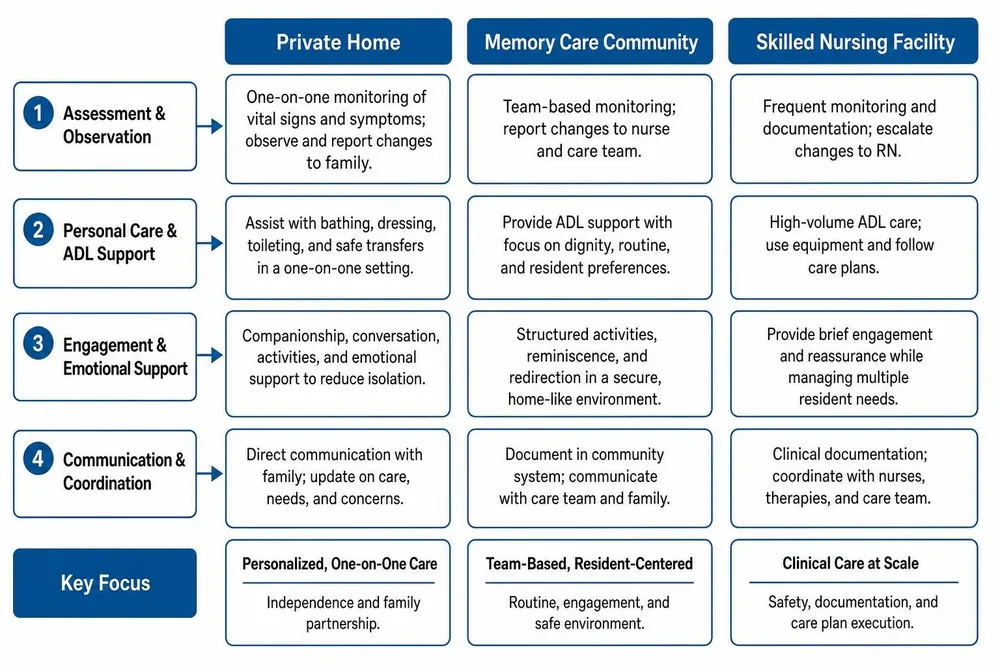
- Private Homes: Caregivers operate independently, balancing personal care with one-on-one household tasks, meal planning, and direct communication with family members.
- Assisted Living & Memory Care Communities: Caregivers work within coordinated teams. In our residential setting, we implement personalized care approaches where caregivers focus fully on resident wellness, engaging activities, and dynamic redirection in a secure, home-like neighborhood.
- Skilled Nursing Facilities (SNFs): Aides handle high client-to-staff ratios, focusing heavily on clinical charting, scheduled repositioning to prevent pressure injuries, and close coordination with physical and occupational therapy teams.
Managing Shift Expectations and Continuity of Care
Care duties adapt across different work shifts to match the natural rhythm of the day:
- Day Shifts (Morning to Midday): Focus on morning routines, assisting with dressing and hygiene, serving nutritious breakfasts and lunches, administering medication reminders, guiding physical exercises, and facilitating social activities.
- Evening Shifts (Afternoon to Bedtime): Involve serving dinner, winding down daily activities, assisting with evening hygiene and bedtime preparations, and addressing sundowning behaviors.
- Overnight Shifts (Awake or Sleep): Focus on safety monitoring, assisting with nighttime bathroom visits, managing sleep disturbances, turning bedbound individuals every two hours to protect skin integrity, and completing shift documentation.
- Shift Handoff Protocols: Clear communication during shift transitions ensures incoming staff are fully informed about vital signs, appetite changes, bowel movements, skin observations, and behavioral notes.
Adapting Care Duties to Client Health Conditions and Recovery Needs
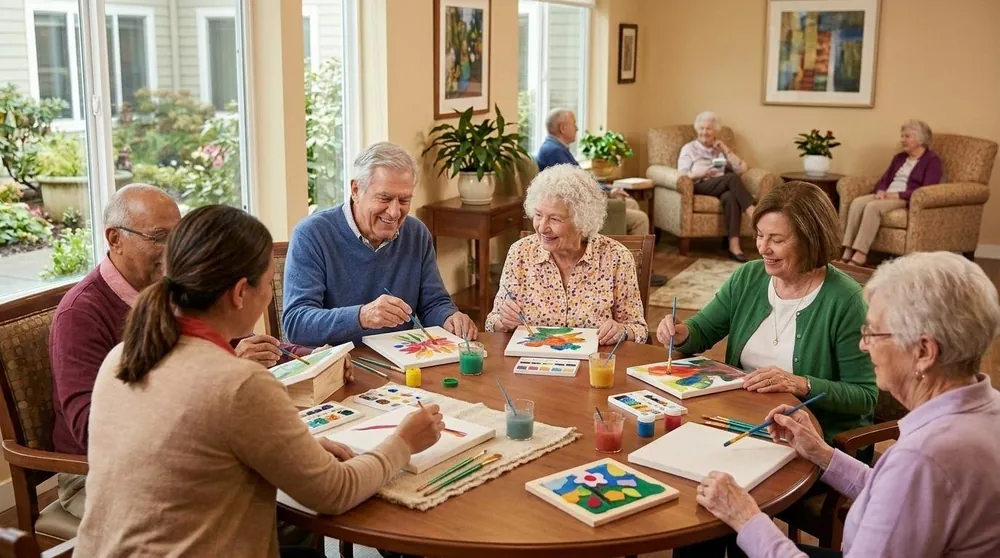
A one-size-fits-all approach does not work in modern caregiving. Responsibilities must adapt directly to the care recipient’s underlying medical condition. Clinical guidance from Johns Hopkins Medicine underscores that tailoring support to specific diagnoses improves physical outcomes and reduces emotional stress for both client and caregiver.
Specialized Dementia and Memory Support Routines
Caring for individuals with progressive cognitive conditions requires patience, specialized communication, and proactive environmental adjustments:
- Understanding the Diagnosis: Care strategies must align with the specific condition, accounting for the unique characteristics across various types of dementia.
- Routine and Environmental Stability: Establishing predictable daily schedules reduces anxiety and confusion for residents experiencing the stages of Alzheimer’s.
- Wandering Prevention and Redirection: Maintaining secure perimeters, using discreet door alarms, and gently redirecting residents toward purposeful activities when they exhibit exit-seeking behaviors.
- Managing Sundowning and Agitation: Dimming harsh lights in the late afternoon, minimizing background noise, playing soothing music, and using gentle validation rather than arguing or correcting.
Post-Surgery Rehabilitation and Stroke Recovery Support
Caregivers assisting clients after major surgery or an acute neurological event focus heavily on recovery protocols:
- Post-Operative Precautions: Ensuring hip or knee replacement clients follow movement restrictions, monitoring surgical incisions for redness or discharge, and preventing falls during early ambulation.
- Stroke Recovery Assistance: Working with survivors requires adapting to physical paralysis (hemiplegia) or communication challenges (aphasia). As outlined by the American Stroke Association, caregivers play a critical role in reinforcing physical, occupational, and speech therapy exercises at home while encouraging gradual independence.
Family Caregivers Duties Description vs. Paid Caregiver Support
Over 9.5 million new family caregivers have joined the care landscape since 2015. While the daily tasks may look similar on paper, the emotional dynamics differ greatly:
- Unpaid Family Dynamics: Family members often navigate shifting roles—such as an adult child caring for an aging parent—while balancing full-time employment, childcare, and personal finances. This double duty frequently leads to chronic fatigue and emotional exhaustion.
- Setting Boundaries and Respite: Family caregivers benefit from establishing healthy boundaries, sharing duties among siblings, and leaning on community family support resources and respite care to prevent burnout.
- Professional Care Standards: Paid caregivers bring objective boundaries, structured training in body mechanics, and emotional resilience to daily challenges, ensuring consistent care without family strain.
Scope Limits, Legal Standards, and Emergency Readiness
Clear operational and legal boundaries keep both clients and caregivers safe. Knowing what tasks not to perform is just as critical as executing daily responsibilities correctly.
Identifying Tasks Outside a Caregiver’s Scope of Practice
Unless a caregiver holds active nursing licenses and formal clinical delegation, certain medical tasks are strictly prohibited:
- Invasive Clinical Procedures: Inserting or removing urinary catheters, performing sterile wound care, managing intravenous (IV) lines, or administering tube feedings.
- Direct Medication Administration: Drawing up insulin injections, crushing unapproved prescription pills, adjusting oxygen titration levels, or applying prescription medicated patches without nurse delegation.
- Clinical Diagnoses: Diagnosing illnesses, modifying physician-ordered therapies, or recommending unprescribed supplements.
- Financial Boundaries: Managing a client’s checkbook, using personal credit cards, accepting substantial monetary gifts, or witnessing legal wills without formal, documented authorization.
Legal, Ethical, and Reporting Responsibilities
Caregivers hold high positions of trust, which come with clear legal and ethical duties:
- Confidentiality and HIPAA: Protecting client privacy by safeguarding medical files, personal details, and health discussions from unauthorized individuals or social media platforms.
- Mandated Abuse and Neglect Reporting: Professional caregivers are legally mandated reporters. They must promptly document and report any signs of physical abuse, emotional mistreatment, active neglect, or financial exploitation to adult protective services and facility leadership.
- Preserving Dignity and Autonomy: Honoring the client’s preferences, knocking before entering private spaces, maintaining modesty during hygiene routines, and encouraging personal choices whenever possible.
- Objective Daily Charting: Recording objective observations (e.g., “Resident drank 8 oz of water and walked 50 feet with a walker”) rather than subjective assumptions.
Emergency Response Protocols for Falls, Seizures, and Acute Events
Caregivers must act quickly, calmly, and methodically during medical emergencies:
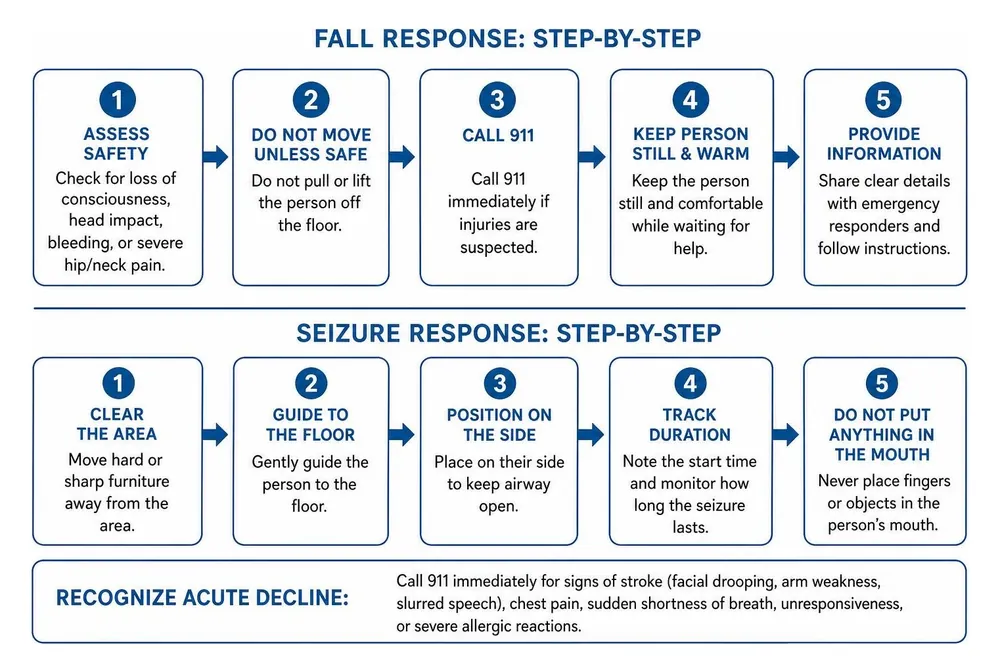
- Fall Response: Never immediately pull or lift an individual off the floor. First, check for loss of consciousness, head impact, bleeding, or complaints of severe hip and neck pain. If injuries are suspected, keep the person warm, still, and immediately call 911.
- Seizure Management: Clear hard or sharp furniture away from the area, guide the individual gently to the floor, position them on their side to maintain an open airway, and track the seizure’s duration. Never place fingers or objects into their mouth.
- Recognizing Acute Decline: Immediately call 911 for signs of stroke (facial drooping, arm weakness, slurred speech), chest pain, sudden shortness of breath, unresponsiveness, or severe allergic reactions.
Frequently Asked Questions About Caregiver Roles
What core certifications and qualities make an effective caregiver?
The most valuable qualifications combine technical training and personal character. Key certifications include CPR and First Aid, state CNA or HHA licenses, dementia care certifications, and safe food-handling credentials. Beyond formal education, the most effective caregivers demonstrate deep empathy, active listening, patience under pressure, physical stamina, and strong situational awareness.
How does medication assistance differ from medication administration?
Medication assistance (reminding) involves verbal prompts, handing a pre-filled bubble pack or pill organizer to the individual, reading label instructions, and opening caps for clients with arthritis. In contrast, medication administration involves measuring liquid doses, administering injections, applying medicated creams, or making clinical decisions regarding dosage timing—tasks that require licensed nursing credentials or formal state-delegated training.
When does a loved one require specialized residential memory care?
When home safety risks grow, a structured environment becomes essential. Signs include frequent wandering, leaving kitchen appliances on, progressive weight loss, missed medications, nighttime agitation, and profound family caregiver burnout. Learning more about understanding Alzheimer’s and how memory care can help and reviewing early signs that your loved one may need memory care can help families determine when 24/7 dedicated memory support is the safest step forward.
Conclusion: Structuring Compassionate and Sustainable Care
Caregiving is a skilled, deeply compassionate profession that supports safety, health, and personal dignity. From managing morning hygiene and preparing specialized meals to monitoring vital signs and navigating complex memory challenges, the duties of a caregiver require both practical capability and heartfelt dedication.
At Murray Highland Memory Care in Beaverton, Oregon, our boutique, family-owned residential community is built around these essential care principles. We provide personalized 24/7 care, chef-prepared meals, and meaningful daily routines within a warm, secure, and home-like neighborhood tailored for seniors with Alzheimer’s and other dementias.
Whether you are designing a daily care plan at home or evaluating residential care, take time to explore our guide on navigating senior caregiver responsibilities and benefits to build a safe, sustainable foundation for your loved one.