Finding Dementia Care with Bilingual Caregivers
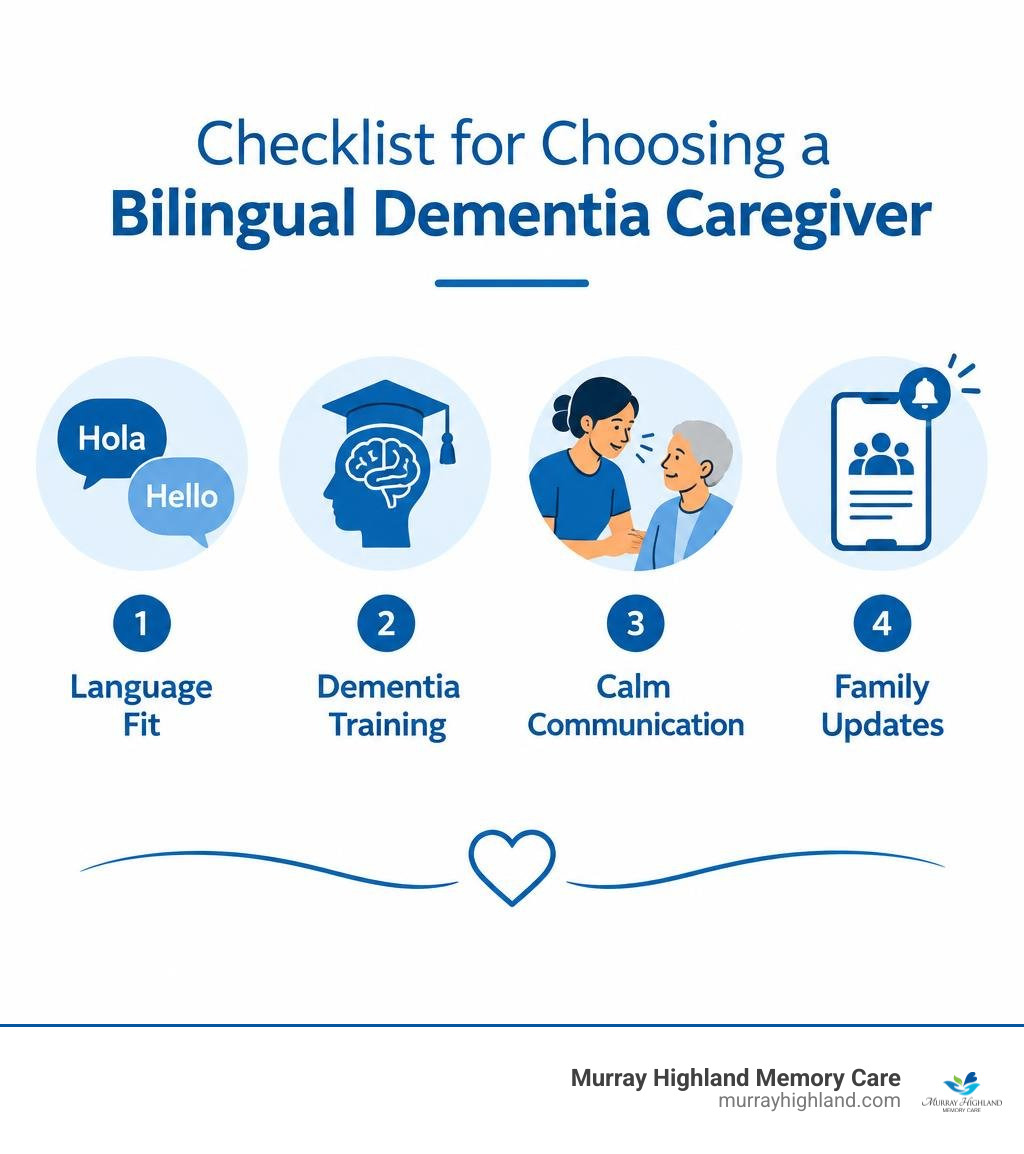
Dementia care with bilingual caregivers starts with a language match, but it should not end there. Ask which language your parent feels most comfortable using, then look for a caregiver who speaks it and has dementia-care training. Ask how they handle confusion, explain daily tasks, and keep your family informed.
Familiar words and a calm approach can make daily care easier to understand. They can also help your parent feel heard. For families facing a language barrier, that connection matters as much as a translated care plan.
The Critical Need for Dementia Care with Bilingual Caregivers
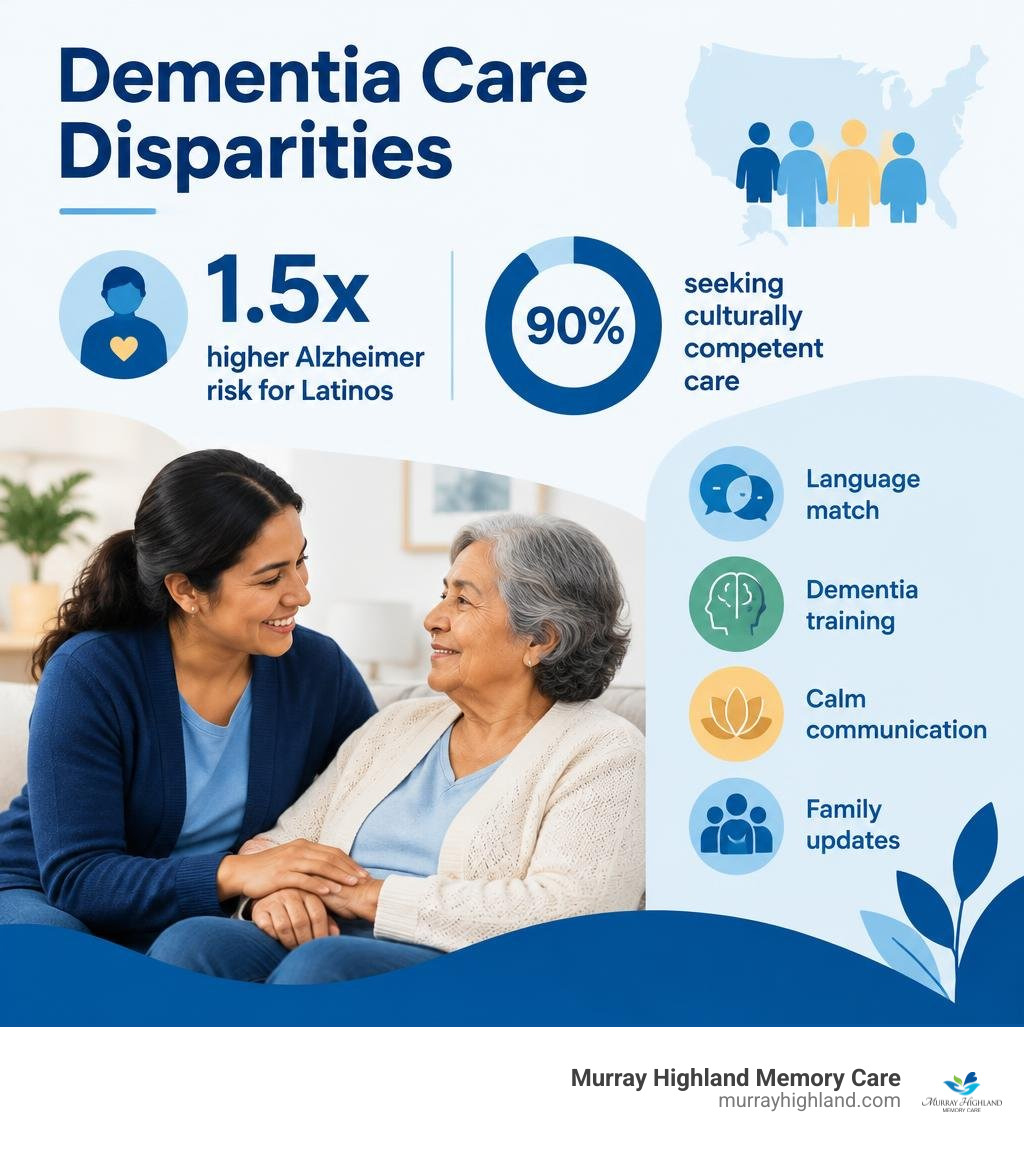
Language is the bedrock of how we express comfort, share memories, and assert our autonomy. When cognitive decline occurs, processing a second language often becomes one of the earliest skills to erode. Millions of families across the country experience this challenge firsthand. Nearly 9 in 10 Latinos report that it is essential for dementia care providers to understand their cultural background, highlighting how deeply culture intersects with health.
Latino Americans are 1.5 times more likely to develop Alzheimer’s disease than non-Hispanic white Americans. In states like Colorado, approximately 11,000 of the 91,000 adults aged 65 and older living with Alzheimer’s are Latino. Despite these numbers, systemic healthcare disparities, cultural stigma around cognitive decline, and limited English proficiency frequently delay diagnosis and isolate family care partners.
Clinical trials and community programs highlight the power of culturally matched support. Research demonstrates that community health workers supporting diverse family caregivers significantly bridge these divides (PMCID PMC11780965). In an evidence-based study of 57 caregivers participating in a tailored home-visit program, 33% were Korean Americans, 28% Vietnamese Americans, 17.5% Latino/Hispanic, and 21% non-Hispanic White. Participating caregivers who spoke Spanish, Vietnamese, or Korean reported an average English proficiency of only 2.4 on a 5-point scale. Tailoring support directly to their primary language transformed their ability to manage complex care demands while identifying different types of dementia.
Linguistic Barriers and Cultural Disparities in Minority Communities
For families navigating Alzheimer’s and related dementias, linguistic obstacles extend far beyond simple translation. Medical jargon and literal translations by untrained interpreters can lead to substantial misunderstandings. In cognitive assessments, a dialect mismatch can inadvertently skew results, causing false indicators of cognitive impairment or masking genuine symptoms.
In Asian American and Latino communities—including Korean, Vietnamese, and Hispanic households—cultural dynamics add another layer of complexity:
- Dialect Incongruence: Standard translations often overlook regional colloquialisms, making standard cognitive prompts feel foreign or confusing to an older adult.
- Elderspeak and Respect: Diminutive phrasing or overly simplified language can feel infantilizing or disrespectful in cultures where honoring elders (filial piety or respeto) is paramount.
- Caregiver Burden: Without bilingual professionals, family members are thrust into serving as navigators, medical interpreters, and advocates—often leading to severe emotional exhaustion and lost employment.
How Bilingual Care Navigators Bridge the Healthcare Access Divide
Bilingual care navigators and community health workers (CHWs) dismantle these obstacles by guiding families through complex healthcare systems. Initiatives like the Medicare-supported Guiding an Improved Dementia Experience (GUIDE) model leverage bilingual navigators to ensure underserved populations receive comprehensive assessments, medication reviews, and crucial respite care options.
Navigators provide proactive outreach rather than waiting for a crisis to occur. When family caregivers receive guidance in their native tongue, they can better identify progressive symptoms and recognize key signs that memory care is needed, allowing them to secure timely residential or in-home interventions.
Clinical and Behavioral Benefits of Native-Language Support

When an individual experiences memory loss, their native tongue remains anchored deeper in long-term memory than languages learned later in life. As a result, bilingual caregivers who can converse, comfort, and code-switch (seamlessly transitioning between languages) unlock profound clinical and behavioral benefits.
An extensive study evaluating home health care services and language preference analyzed over 12,000 urban patients and found that non-English-preferring seniors with dementia required significantly higher home health aide visit hours to maintain safety and functional support (PMCID PMC9275475). Language matching creates emotional synchrony, turning stressful care interactions into calm, collaborative moments.
| Care Dynamic | Monolingual Caregiver (Language Mismatch) | Bilingual Caregiver (Culturally Matched) |
|---|---|---|
| Morning Routine & Hygiene | Higher resistance; confusion over unfamiliar verbal commands | Smooth transitions; native prompts provide clear, reassuring cues |
| Vocal Agitation & Distress | Escalated anxiety; feelings of isolation or being misunderstood | Up to 15% reduction in disruptive vocalizations |
| Caregiver-Resident Synchrony | Lower interaction flow; reliance on awkward non-verbal gesturing | Measurably higher emotional and behavioral synchrony |
| Nutritional Intake | Decreased engagement during meals | Encouraging conversation in native language stimulates appetite |
How Dementia Care with Bilingual Caregivers Reduces Agitation and Behavioral Symptoms
Behavioral symptoms such as agitation, wandering, and resistance to personal care are frequently expressions of unmet needs or fear. When an aide approaches an older adult speaking an unfamiliar language, routine tasks like bathing can feel threatening.
Providing dementia care with bilingual caregivers minimizes these triggers. Switching to a resident’s native dialect during morning care immediately lowers defensive reactions. A warm, familiar greeting such as “¡Buenos días, vamos a desayunar!” or a familiar Korean phrase grounds the individual in reality. This linguistic validation aligns seamlessly with implementing personalized care approaches in memory care, ensuring that routines conform to the person rather than forcing the person to adapt to an unfamiliar system.
Fostering Caregiver Self-Efficacy and Distress Reduction
Family caregivers carrying the daily responsibility of dementia care experience high rates of depression and chronic stress. Data from the REACH national collaborative study on caregiver distress revealed that nearly half of participating family caregivers scored above clinical thresholds for depression (DOI 10.1093/geront/43.4.580).
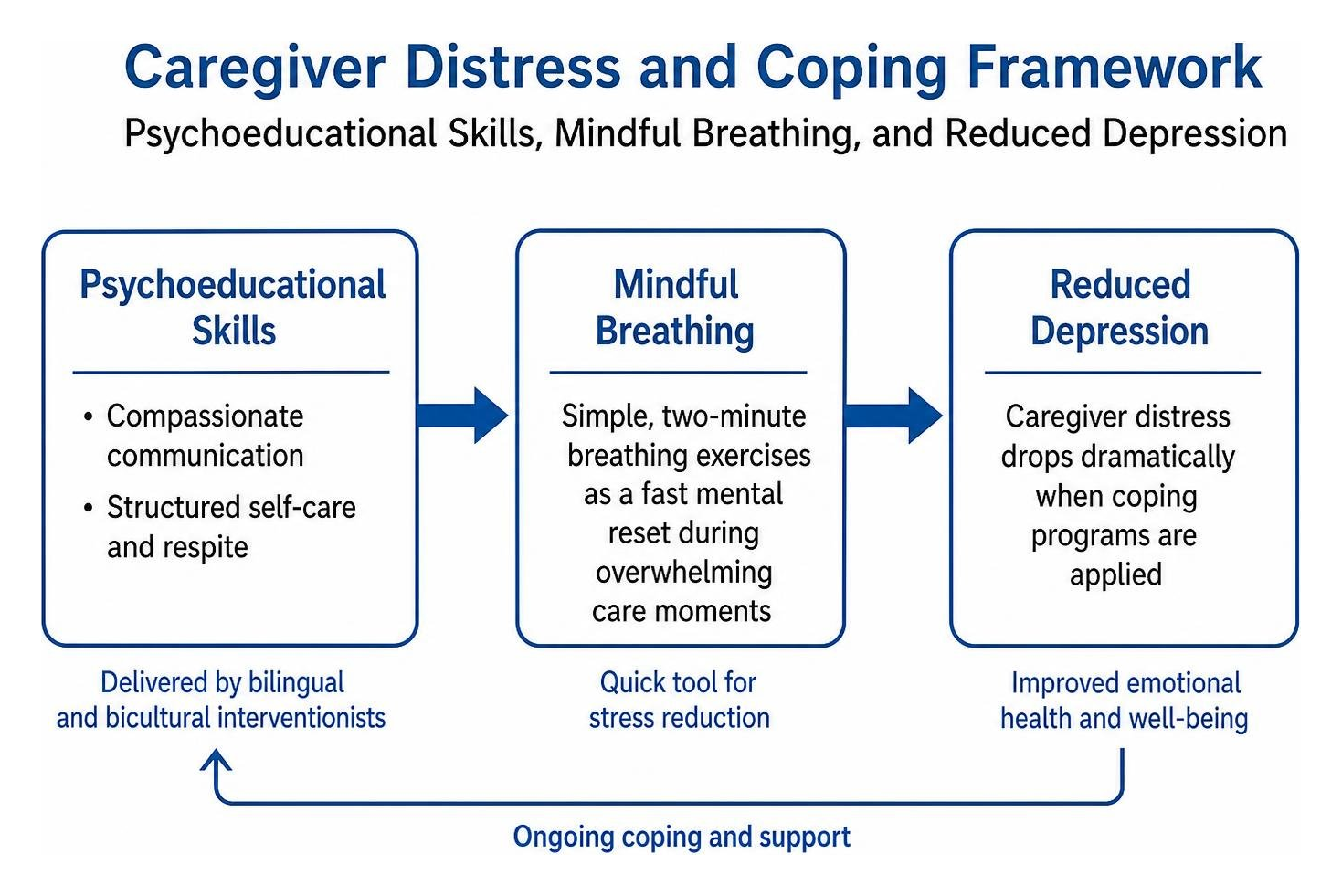
When structured psychoeducational coping programs (such as the Coping with Caregiving model) are delivered by bilingual and bicultural interventionists, caregiver distress drops dramatically. In clinical trials, Spanish-speaking and Asian American caregivers gained vital coping tools:
- Mindful Breathing Techniques: Simple, two-minute breathing exercises served as a fast mental reset during overwhelming care moments.
- Compassionate Communication: Family members learned validation strategies instead of correcting memory lapses, reducing household tension and conflicts.
- Structured Self-Care: Setting aside guilt-free respite time improved overall emotional health and prevented premature burnout.
Implementing Tailored Interventions Across Diverse Care Settings
Deploying culturally sensitive dementia support requires structured collaboration across in-home services, medical networks, and residential communities. In our boutique memory-care setting in Beaverton, Oregon, we witness every day how a warm, homelike environment combined with deep cultural awareness transforms a resident’s sense of security.
Tailored interventions succeed because they operate on three distinct levels:
- Individual Level: Equipping family members with self-care awareness, stress-management techniques, and personal coping mechanisms.
- Relational Level: Enhancing daily communication between the caregiver and the person with dementia to reduce conflict and foster emotional connection.
- Community Level: Navigating local healthcare programs, language lines, and understanding comprehensive memory care services.
Essential Competencies for Bilingual Dementia Care Specialists
To ensure high-quality care, organizations must train bilingual staff across multiple core competencies:
- Dementia Literacy & Pathophysiology: Understanding progressive cognitive decline, memory loss, and communication changes across all disease stages.
- Dialect and Cultural Nuance: Mastery of regional idioms, avoidance of patronizing language, and alignment with cultural traditions.
- Behavioral De-escalation: Utilizing gentle redirection, musical therapy, and validation instead of confrontation.
- Family Coaching & Active Listening: Facilitating difficult conversations around disease progression, advance care planning, and long-term care placement.
Building Strong Rapport Between Caregivers and Community Health Workers
Rapport is the primary catalyst for successful dementia interventions. When community health workers share the cultural and linguistic heritage of the family, barriers of mistrust and stigma dissolve. In qualitative exit interviews from bilingual CHW home-visit studies, caregivers consistently highlighted that having someone who spoke their dialect and understood their family hierarchy allowed them to share vulnerable emotions without fear of judgment.
This trust empowers caregivers to adopt practical advice—such as modifying home environments for fall safety, introducing culturally familiar music or games, and accepting outside assistance when home-based care is no longer safe.
Scaling Dementia Care with Bilingual Caregivers in Rural and Underserved Regions
Expanding bilingual care models into rural and suburban areas requires innovative operational strategies:
- Telehealth Coaching Programs: Virtual bilingual coaching pairs experienced dementia specialists with remote families across diverse geographies, overcoming local specialist shortages.
- Digital Support Applications: Smartphone apps featuring bilingual behavior logs, step-by-step de-escalation tips, and QR-code-accessible resource libraries keep families supported 24/7.
- Workforce Retention Strategies: Investing in bilingual community health workers through structured career pathways, competitive compensation, and ongoing mental health support ensures long-term program sustainability.
Frequently Asked Questions About Bilingual Memory Care
How does native-language communication improve daily interactions for dementia patients?
As dementia progresses, individuals experience first-language regression, losing recent language acquisitions and reverting to their primary native tongue. Speaking to a resident in their native language provides immediate cognitive clarity, minimizes fear during hands-on care, and restores emotional validation.
Why do Latino and Asian American families face elevated dementia caregiving strain?
Minority families frequently encounter systemic healthcare hurdles, including language barriers, lack of insurance coverage for specialized care, and a scarcity of bilingual clinical providers. Cultural norms emphasizing family-based care can also lead caregivers to delay seeking external support, resulting in severe physical and emotional exhaustion.
What core skills are taught to bilingual community health workers in dementia care?
Bilingual community health workers receive training in dementia symptom management, culturally sensitive communication techniques, mindful stress-reduction exercises, and healthcare system navigation to help families access community resources and respite services.
Conclusion
Bridging the memory gap requires more than standard clinical protocols; it demands cultural empathy, open communication, and native-language connection. Providing dementia care with bilingual caregivers honors each resident’s life story, reduces behavioral distress, and provides family caregivers with the support they need.
At Murray Highland Memory Care, we believe that true memory support begins with meeting every individual exactly where they are. In our family-owned, boutique residential community in Beaverton, Oregon, we offer personalized 24/7 care, chef-prepared meals, and a small-scale, comforting environment that feels like home. If you are exploring care solutions for your loved one, take time to learn more about navigating the duties and responsibilities of senior caregiving or reach out to our team to discover how our compassionate team can support your family.
Scientific References
PMCID PMC11780965. PMCID PMC9275475. DOI 10.1093/geront/43.4.580.